Ledger.com/Start: A Complete Guide to Setting Up Your Ledger Wallet
Cryptocurrency gives users greater control over their digital assets, but that control also comes with the responsibility of protecting private keys and recovery information. A hardware wallet such as Ledger is designed to provide an additional layer of security by keeping sensitive wallet information protected on a dedicated device. For new users, Ledger.com/start is an important starting point for learning how to initialize and use a Ledger hardware wallet safely.
What Is Ledger.com/Start?
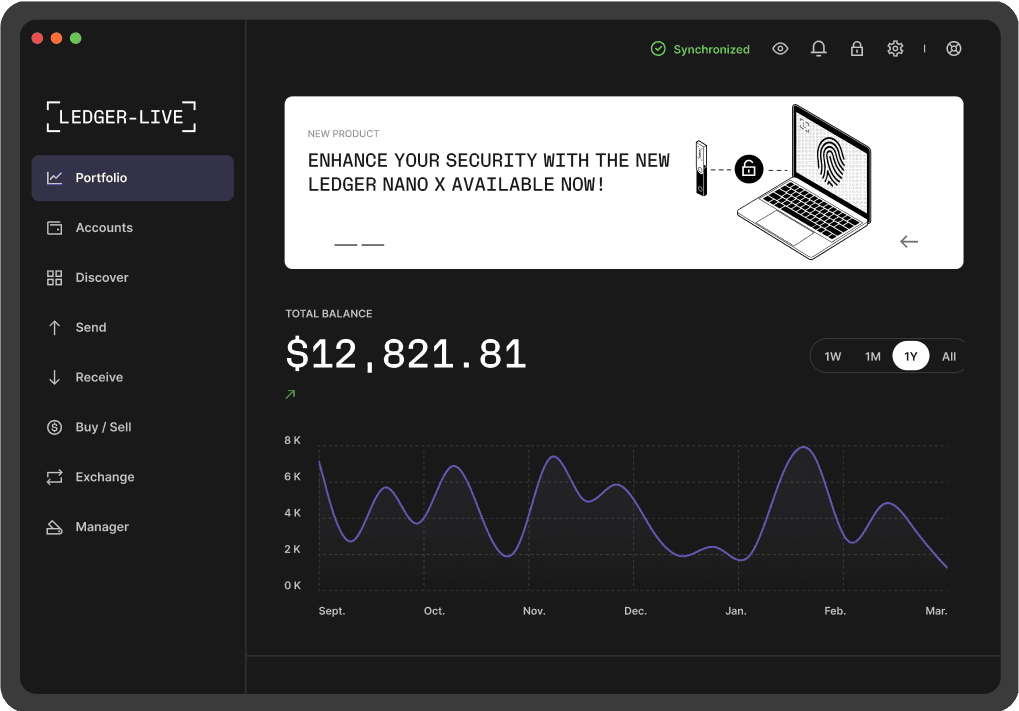
Ledger.com/start is Ledger's setup and onboarding destination for users who are beginning with a compatible Ledger hardware wallet. The setup process can help users identify the appropriate software, connect their device, initialize a new wallet, and understand essential security practices. Ledger's current setup materials refer users to the Ledger Wallet application for managing digital assets and interacting with a compatible hardware device.
Using the correct setup source is particularly important because cryptocurrency transactions are generally irreversible. Fake websites, malicious applications, and phishing messages can attempt to obtain sensitive information from unsuspecting users.
Why Start With Ledger.com/Start?
Beginning with the official Ledger setup route helps reduce the risk of downloading unofficial software or following inaccurate instructions. It also provides a structured process rather than requiring beginners to search through unrelated websites for setup information.
The setup journey generally covers software installation, device initialization, PIN creation, recovery-phrase protection, and connecting cryptocurrency accounts. Following each step carefully can help users avoid common mistakes during wallet configuration.
What You Need Before Setup
- A compatible Ledger hardware wallet
- A supported computer or smartphone
- A reliable internet connection
- The appropriate connection cable or supported wireless connection
- A private place where you can complete the setup without interruptions
- Paper or another secure offline method for recording recovery information
Never ask another person to create or initialize your wallet on your behalf. Your security information should remain under your control throughout the process.
How to Set Up a Ledger Wallet
1. Open Ledger.com/Start
Open a trusted browser and manually enter Ledger.com/start. Carefully check the domain before downloading anything. Avoid setup links received through unsolicited emails, social-media messages, advertisements, or unknown websites.
2. Install the Ledger Wallet Application
The official Ledger Wallet application is used as a companion interface for compatible Ledger hardware. Follow the official installation instructions for your operating system and launch the application after installation.
3. Connect Your Ledger Device
Connect your hardware wallet using the supported connection method. Follow the instructions displayed on the physical Ledger device as well as the application. If the device behaves unexpectedly or appears to have been previously configured, stop and investigate before continuing.
4. Create a PIN
During a new-device setup, you will be asked to establish a PIN. Choose a PIN that is difficult for another person to guess and keep it private. Do not share your PIN through messages, websites, or customer-support conversations.
5. Secure Your Recovery Phrase
The recovery phrase is one of the most important parts of a self-custody wallet. When creating a new wallet, the device provides recovery words that can be used to restore access under appropriate circumstances.
Write the words down carefully and keep the backup offline in a secure location. Never photograph the recovery phrase, save it in cloud storage, place it in an email, or enter it into a website. Anyone who obtains the recovery phrase may be able to gain control of the associated assets.
6. Confirm the Recovery Information
Your device may require you to confirm selected recovery words. Complete this verification carefully. If your written backup does not match what the device displays, stop and resolve the discrepancy before proceeding.
7. Add Cryptocurrency Accounts
After initialization, use the Ledger application to install the required asset applications and create the appropriate accounts. The exact options available depend on your Ledger device, software version, and supported cryptocurrency.
Important Ledger Security Tips
Security does not end after the initial setup. Keep your Ledger device, PIN, and recovery information protected. Never reveal your recovery phrase to anyone claiming to be Ledger support. Genuine support should not require you to disclose secret recovery information.
Be cautious of fake support accounts and websites that use familiar logos or similar-looking domain names. Before approving a transaction, review the information displayed on the hardware device itself. Treat unexpected requests, urgent messages, and suspicious links as potential security threats.
Common Setup Problems
If the Ledger device is not recognized, first check the connection, try another compatible cable or port when appropriate, and restart the application. Keeping the operating system and official wallet software updated may also help resolve compatibility problems.
If you suspect that your device or recovery information has been compromised, do not provide your recovery phrase to anyone online. Instead, consult Ledger's official support resources and follow their current security guidance.
Conclusion
Ledger.com/start provides a straightforward starting point for users setting up a Ledger hardware wallet. By obtaining software from official sources, initializing the device carefully, protecting the PIN and recovery phrase, and verifying transactions before approval, users can establish better security practices for managing digital assets. The most important principle is simple: keep your recovery information private, offline, and under your direct control.